SW1W bulky rubbish removal rules for Belgravia residents
Posted on 10/08/2026
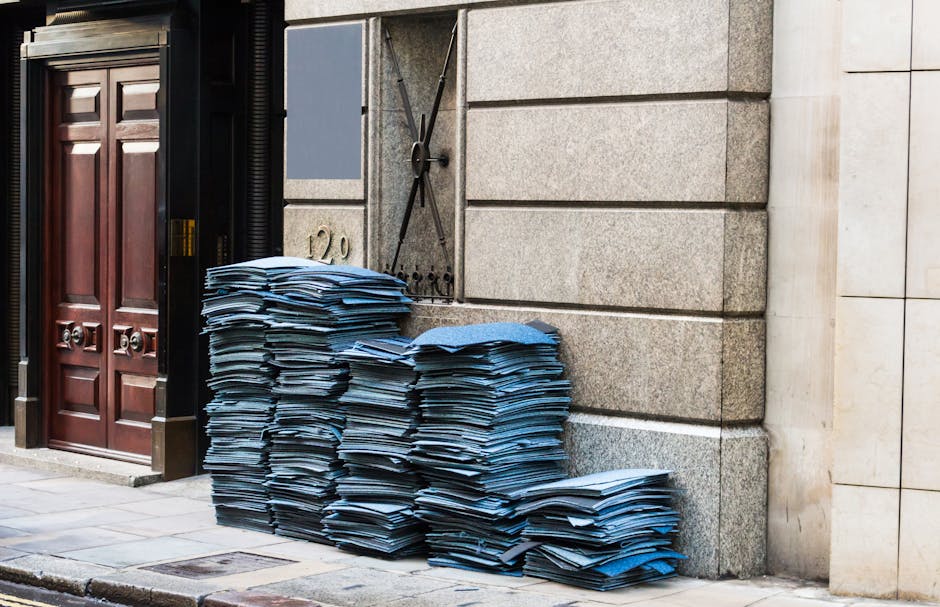
If you live in Belgravia, bulky waste can become a surprisingly fiddly job. One minute you are clearing out an old sofa or a broken wardrobe, and the next you are dealing with access issues, timing, permissions, and the question nobody wants to ask: where does it all legally go? The good news is that the SW1W bulky rubbish removal rules for Belgravia residents are manageable once you understand the basics. This guide walks you through what counts as bulky rubbish, how collection and clearance usually work in practice, what to avoid, and how to choose the most sensible route for your home, flat, townhouse, or managed property.
Belgravia life comes with its own pace. Mornings can be quiet, roads can be tight, and shared entrances can make waste handling more awkward than it first looks. So let's make this simple, practical, and properly local. If you want broader help beyond bulky items, you can also explore rubbish clearance in Belgravia and the wider waste removal services for Belgravia offered on the site.
Why SW1W bulky rubbish removal rules for Belgravia residents Matters
Bulky rubbish is not just a bigger version of ordinary household waste. It often needs separate handling, careful lifting, and a plan for collection or disposal. In a neighbourhood like Belgravia, that matters even more because properties are often close together, parking is limited, and a badly timed collection can block a shared entrance or annoy neighbours before breakfast. Nobody wants that awkward note on the door. Nobody.
Understanding the rules also helps you avoid accidental fly-tipping, unsafe stacking, or leaving items out in a way that creates a hazard. In UK practice, householders are generally expected to make sure waste is handed to a legitimate carrier or arranged through an approved collection route. For many residents, the real challenge is not the lifting; it is knowing which method fits the item, the building, and the schedule.
There is also a reputation factor. Belgravia residents tend to care about tidy pavements, orderly comms with building managers, and keeping communal spaces respectable. That sounds obvious, but it is exactly why proper bulky waste planning pays off. If you are managing a move, a refurbishment, or a seasonal clear-out, the right approach saves time, reduces stress, and keeps the place looking like Belgravia should look. For larger household clear-outs, house clearance in Belgravia is often a better fit than trying to shift everything yourself.
Expert summary: bulky rubbish rules in SW1W are less about bureaucracy for its own sake and more about keeping access safe, collections lawful, and neighbours happy. Get the basics right and the rest becomes much easier.
How SW1W bulky rubbish removal rules for Belgravia residents Works
At a practical level, bulky rubbish removal usually follows one of a few paths. You identify the item, check whether it can be reused, recycled, or broken down, then choose the method that matches the volume, weight, and access conditions. That may be a council-style bulky collection, a private clearance service, or a combined approach where recyclable materials are separated first.
The rules themselves are shaped by a few common sense expectations. Items should not be left out in a way that blocks pavements, trip hazards, or bin storage areas. Waste should be presented safely and at the right time. Anything that contains hazardous elements, sharp edges, or contamination needs extra care. And if your building has a concierge, porter, or management company, you may need permission or a collection slot before anything goes outside.
In Belgravia, practical access matters as much as the item itself. A large armchair on a quiet terrace street is one thing; a heavy dismantled wardrobe from a basement flat with narrow stairs is another. This is where a professional team can save a lot of faffing about. If the job involves mixed waste, awkward access, or a tight timetable, a managed collection through the service overview page may help you compare the available options.
Bulky rubbish commonly includes:
- old sofas, mattresses, and bed frames
- wardrobes, drawers, shelving, and cabinet units
- broken appliances that are too large for regular bins
- tables, chairs, rugs, and furniture sets
- large household fixtures from a renovation or relocation
- garden furniture and outdoor items
One thing people sometimes miss: "bulky" does not always mean "waste" in the same sense as general rubbish. A usable chair might be better donated or reused. A damaged mattress might need special handling. A pile of mixed items from a move-out may need sorting before removal. That distinction saves money and avoids the messy middle ground where everyone assumes someone else will sort it out.
Key Benefits and Practical Advantages
Using the right bulky rubbish removal approach in SW1W is not just about compliance. It has real practical benefits that are easy to appreciate once you have done it the hard way. First, it keeps your home or building clear without turning hallways into obstacle courses. Second, it reduces the risk of damage to walls, lifts, floors, and stairwells. Third, it helps avoid the "we'll deal with it later" pile that somehow grows by the day.
For residents who are moving, renovating, or simply reclaiming space, the biggest advantage is speed. Belgravia properties often have valuable interior finishes and tight layouts, so dragging items through narrow spaces can be risky. A careful removal plan is often cleaner, quicker, and frankly less stressful. And yes, you will feel it in your shoulders if you try to carry a three-seat sofa down a staircase by yourself. Not fun.
There is also a sustainability angle. Choosing a responsible route means more items can be reused, recycled, or processed properly. The site's recycling and sustainability guidance is useful if you want to think beyond simple disposal. In a neighbourhood that values discretion and care, that tends to matter.
Practical advantages at a glance:
- less time spent arranging lifting and transport
- lower risk of injuring yourself or a helper
- better compliance with building and street rules
- reduced chance of complaints from neighbours
- more chance of sorting useful items from true waste
- cleaner, calmer handover of your property space
Who This Is For and When It Makes Sense
These rules are relevant to a wider group than many people assume. Yes, they apply to homeowners and tenants dealing with one large item. But they also matter for landlords, letting agents, property managers, interior designers, and anyone sorting a property between occupancies. In Belgravia, where homes can change hands, be refurbished, or be managed on someone's behalf, bulky rubbish often appears as part of a much bigger process.
You may need a bulky waste plan if you are:
- clearing out a flat after a tenancy ends
- replacing furniture before a sale or letting
- removing damaged items after water, smoke, or general wear
- making room for a refurbishment or decorating project
- handling leftovers after a move or inheritance clearance
- dealing with garden furniture, planters, or outdoor clutter
If the job feels like more than a one-off item, that is usually a sign to step back and think in terms of a full clearance rather than ad hoc lifting. For instance, a property transaction can leave behind everything from wardrobes to broken lamps to old paperwork. That is why some residents also look at property transactions in Belgravia and the practical fallout that comes with them.
One real-world example: a resident in a townhouse near SW1W might only intend to remove a mattress. Then they notice a broken bedside table, a disused desk, and two bags of mixed junk from the hallway cupboard. That is how "just one item" becomes a small project. Happens all the time.
Step-by-Step Guidance
If you want a straightforward way to handle bulky waste in SW1W, use a clear sequence. It keeps the job from becoming chaotic, and honestly, that is half the battle.
- List the items. Walk through the space and note every bulky item, including anything hidden in a storage room or basement.
- Separate reusable from waste. If an item can be donated, sold, or reused, move it aside first.
- Check access. Measure doorways, stair turns, lifts, and external entry points. In Belgravia, access is often the hidden problem.
- Ask about building rules. If you have a concierge, management company, or shared entrance, confirm the allowed collection times.
- Choose a collection method. Decide whether the job needs a single-item pickup, a mixed-load removal, or a larger clearance.
- Prepare the items. Remove loose contents, tape drawers shut if needed, and dismantle only if it is safe to do so.
- Schedule carefully. Pick a time that avoids busy pedestrian periods and allows the team to work without rushing.
- Confirm the waste route. Ask how items will be sorted, recycled, or disposed of once collected.
If you are dealing with garden clutter, broken outdoor seating, or soil-contaminated waste, it may be more sensible to use a specialist route such as garden waste removal in Belgravia. That can help keep mixed waste streams separate, which is better for both practicality and recycling.
For larger clearances, the key is to avoid leaving items in "temporary" positions for too long. Temporary has a funny way of becoming permanent. Especially in a busy household.
Expert Tips for Better Results
In our experience, the best bulky rubbish removals are the ones planned in small, unglamorous steps. Nothing dramatic. Just sensible. A bit of prep goes a long way.
Tip 1: Measure before you move. In older Belgravia buildings, a sofa that looks manageable in a room can become a nightmare at the first landing. Check widths, corner turns, and basement access before you commit.
Tip 2: Decide what not to remove. It sounds odd, but it matters. Some items should be retained for the next resident, building use, or reuse route. If you are unsure, separate them first and pause.
Tip 3: Keep mixed loads tidy. A cleaner pile is easier to move and less likely to spread dust or debris. Wrap sharp edges. Bag loose fragments. Basic stuff, but easy to forget when you are in a hurry.
Tip 4: Think in layers. First layer: reusable items. Second layer: recyclable waste. Third layer: residual rubbish. That order usually gives the best outcome.
Tip 5: Be realistic about your own time. If you are balancing work, school runs, or a property handover, a same-day or scheduled collection may make more sense than trying to tackle it over three exhausted evenings.
And yes, sometimes the best tip is the least exciting one: write everything down. A quick list on your phone saves a lot of "was that lamp going too?" conversations later.
Common Mistakes to Avoid
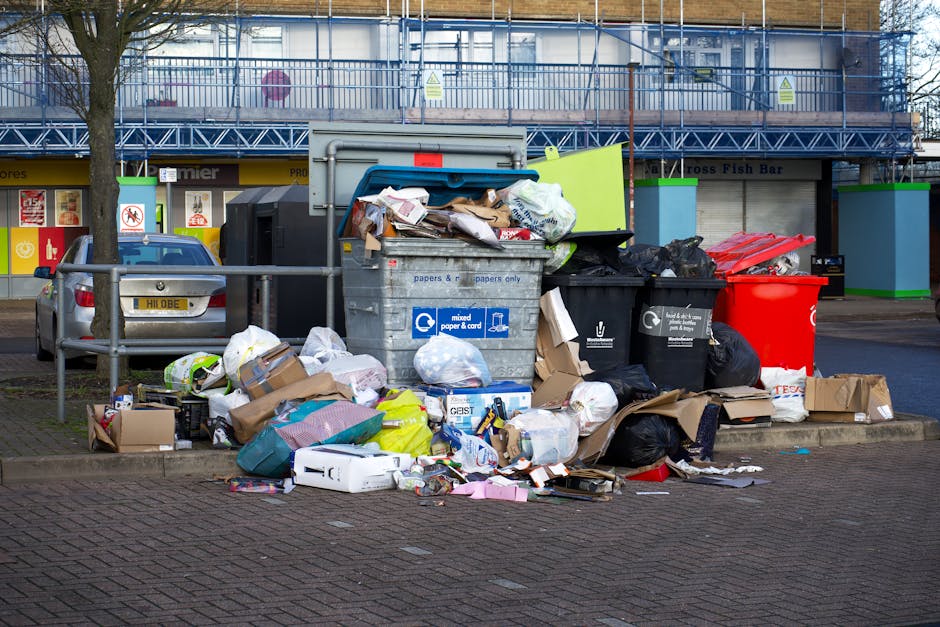
Most bulky waste problems are avoidable. The trouble starts when people treat it like ordinary bin day. It is not. A few common mistakes keep showing up.
- Leaving items outside too early. This can create obstruction and increase the chance of complaints.
- Mixing reusable items with true rubbish. That can make sorting harder and may reduce recycling potential.
- Ignoring access constraints. A service vehicle may be fine, but the route to it may not be.
- Forgetting about building rules. Some properties have quiet hours or collection permissions that need to be respected.
- Trying to lift alone. Heavy items and awkward stairs are a bad combination. Common sense, but worth saying.
- Failing to check whether items need special handling. Mattresses, electricals, and mixed materials often need more thought.
Another mistake is assuming every clearance job is identical. A single broken wardrobe in a flat is not the same as a full office clearance or a post-renovation cleanup. If your waste includes desks, monitors, or filing units, a more specialised route such as office clearance in Belgravia may be a better fit.
Truth be told, most people are not trying to do anything wrong. They are just busy. But a rushed decision here can lead to more work later, and nobody needs that.
Tools, Resources and Recommendations
You do not need a warehouse full of equipment to handle bulky rubbish well. A few simple tools and a decent plan usually cover it. The goal is to make the task safer, cleaner, and less chaotic.
Useful items include:
- strong gloves with a good grip
- packing tape for securing drawers or loose doors
- protective blankets or covers for doors and corners
- labels or sticky notes for sorting items
- bags or boxes for loose fixings and small parts
- a tape measure for access checks
From a planning point of view, it also helps to have a simple decision tree in your head. Can the item be reused? If not, can it be recycled? If not, does it need general removal or specialist handling? That little sequence saves decision fatigue. And after lunch on a busy day, that matters more than you think.
For residents who want a broader view of the company's service range and how it handles different situations, the services overview and about us pages provide useful context. If you are weighing up costs, the pricing and quotes page may help you understand what to expect before booking.
Law, Compliance, Standards, or Best Practice
Bulky rubbish removal sits within broader UK waste handling expectations, even when the job looks domestic and simple. The safest assumption is that you remain responsible for how waste is handed over, who collects it, and whether it goes to a legitimate disposal route. That does not mean every household needs to become a waste law expert. It does mean it is wise to use a reputable service and avoid informal "man with van" arrangements that leave you guessing what happens next.
Best practice usually includes:
- keeping waste on your property until the collection time
- checking that the collector is properly set up for waste carriage
- separating hazardous or specialist items from ordinary bulky waste
- avoiding obstruction of pavements, entrances, or shared spaces
- retaining booking details or confirmation in case of later questions
If your bulky waste forms part of a building project, the standards are tighter still. Mixed construction debris, timber, plasterboard, and packaging should not simply be shoved together and forgotten about. That is where a dedicated route like builders waste disposal in Belgravia becomes relevant.
It is also sensible to pay attention to safety and insurance arrangements. A team carrying large items through tight stairwells should work carefully and be prepared for the environment. The insurance and safety information is worth a read if you want extra reassurance before a booking.
One small but important point: compliance is not only about avoiding penalties. It is also about keeping your home, neighbours, and service team safe. That is the real standard, if we are being honest.
Options, Methods, or Comparison Table
There are several ways to deal with bulky rubbish in SW1W. The best choice depends on the item, your schedule, and how much effort you want to spend on logistics. Here is a practical comparison.
| Method | Best for | Pros | Trade-offs |
|---|---|---|---|
| Self-moving to a disposal point | Small volumes and accessible vehicles | Can be economical if you already have transport | Time-consuming, heavy lifting, access and parking hassle |
| Scheduled bulky collection | Single or limited items | Simple, predictable, usually less stressful | May require timing around availability and building rules |
| Private clearance service | Mixed loads, awkward access, larger jobs | Fast, flexible, less physical effort for the resident | Cost can vary depending on volume and complexity |
| Specialist waste route | Garden waste, builders waste, office items | Better sorting and more appropriate handling | Needs the right category of service |
For many Belgravia residents, the sweet spot is a private clearance service paired with sensible sorting. That is especially true where access is limited, the property is valuable, or the timeline is tight. If your items are from a renovation rather than a standard declutter, you might also want to review builders waste disposal in Belgravia before deciding.
Case Study or Real-World Example
Imagine a Belgravia resident preparing a flat for new tenants. There is a mattress, a worn sofa, an old coffee table, and a stack of packing materials from a recent move. The first instinct is often to push everything into a hallway and hope for the best. But in a building with shared access, that creates immediate problems.
A better approach is to sort the items first. The coffee table may still be reusable. The sofa might be suitable for removal but not reuse. The packing materials can be bundled separately. The resident checks access timing with the building manager, books a collection slot, and keeps the items inside until the agreed time. The collection is faster, the hallway stays clear, and the handover feels calm rather than frantic.
That sounds almost too neat, I know. Real life is messier. But this is exactly where a bit of planning pays off. In a neighbourhood where presentation matters, the difference between a tidy removal and a chaotic one is huge. And if the property is being prepared alongside a broader move or sale, it can help to think ahead about the wider process, not just the rubbish. The article on wise real estate investments in Belgravia is a useful reminder that property decisions and clearance planning often go hand in hand.
Practical Checklist
Use this checklist before arranging bulky rubbish removal in SW1W. It keeps the process clean and helps you avoid the usual last-minute scramble.
- Have I listed every bulky item clearly?
- Have I separated reusable items from waste?
- Do I know whether any item needs special handling?
- Have I checked building access, lifts, stairs, and entrance rules?
- Have I chosen a collection time that suits the property and neighbours?
- Are items indoors and protected until collection day?
- Have I removed loose contents, batteries, or small valuables?
- Do I know where the waste will go after removal?
- Is the job better suited to a house, office, garden, or builders clearance route?
- Have I kept any confirmation or booking details for reference?
If you can tick most of those off, you are already ahead of the game. And if you cannot, that is fine too; it just means you need a better plan, not a bigger headache.
Get a free quote today and see how much you can save.
Conclusion
SW1W bulky rubbish removal rules for Belgravia residents are really about three things: safety, timing, and proper disposal. Once you accept that bulky waste is not just "more rubbish", the rest gets easier. You can choose the right method, avoid access problems, and keep your property and shared spaces looking sharp.
Whether you are clearing a single sofa, sorting a full flat, or tidying up after a refurbishment, the best results usually come from a calm, structured approach. Check the items, plan the route, keep the building in mind, and use a proper service where needed. That is the difference between a stressful chore and a tidy, done-and-dusted job. Small effort, big relief.
And when it is finished, that empty corner really does feel good. Quiet, clean, ready for the next chapter.

From a young age, Blair has cultivated a passion for order, which has now matured into a prosperous profession as a waste removal specialist. She derives satisfaction from transforming disorderly spaces into practical ones, aiding clients in conquering the burden of clutter.
 Tipper Van - Rubbish Disposal and Rubbish Clearance Prices in Belgravia, SW1X
 Luton Van - Rubbish Disposal and Rubbish Clearance Prices in Belgravia, SW1X